Crime Slides Template for Case Presentations
Present a criminology lesson, public-safety report, or fictional case with 12 slides for context, evidence, causes, response, outcomes, and action.
Preview the 12-slide Crime Slides Template
Review the complete evidence-led framework from scope and terminology through patterns, contributing factors, response, prevention, measurement, and recommended next steps.
What you're getting
A crime and public-safety deck built for evidence, not spectacle
This 12-slide template supports criminology education, public-safety reporting, community-awareness programs, prevention initiatives, and clearly labeled fictional case briefings. It creates space for scope, data, context, contributing factors, response, outcomes, limits, and recommendations.
Use de-identified, authorized, and responsibly sourced material. Avoid graphic or sensational imagery, distinguish allegation from finding, protect victims and affected communities, and have legal or safeguarding review where the setting requires it.
- Included
- 12 evidence slides
- Best for
- Criminology and prevention
- Export
- PowerPoint or Google Slides
Built for
Educators teaching criminology
Instructors connecting definitions, theory, data, context, ethics, policy, and prevention.
Public-safety teams reporting a program
Authorized teams explaining patterns, interventions, measures, limits, and community implications.
Students presenting a fictional case
Learners practicing evidence organization while keeping fictional and real-world material unmistakably separate.
Getting started
Define the ethical and evidentiary boundary first
Plan privacy, sourcing, terminology, graphic-content limits, and support before assembling case material.
- 1
Set purpose and authorization
Confirm audience, scope, legal basis, data handling, review, and whether any case is fictional or public record.
- 2
Use careful terminology
Distinguish report, allegation, charge, finding, conviction, correlation, cause, and risk accurately.
- 3
Present data in context
Include source, period, population, geography, denominator, uncertainty, and known reporting bias.
- 4
Center prevention and impact
Explain affected communities, contributing conditions, interventions, evidence of effectiveness, and trade-offs.
- 5
Review for harm
Remove identifying or gratuitous details, check image rights, and provide appropriate content notes or support routes.
Explore more
Related templates worth comparing
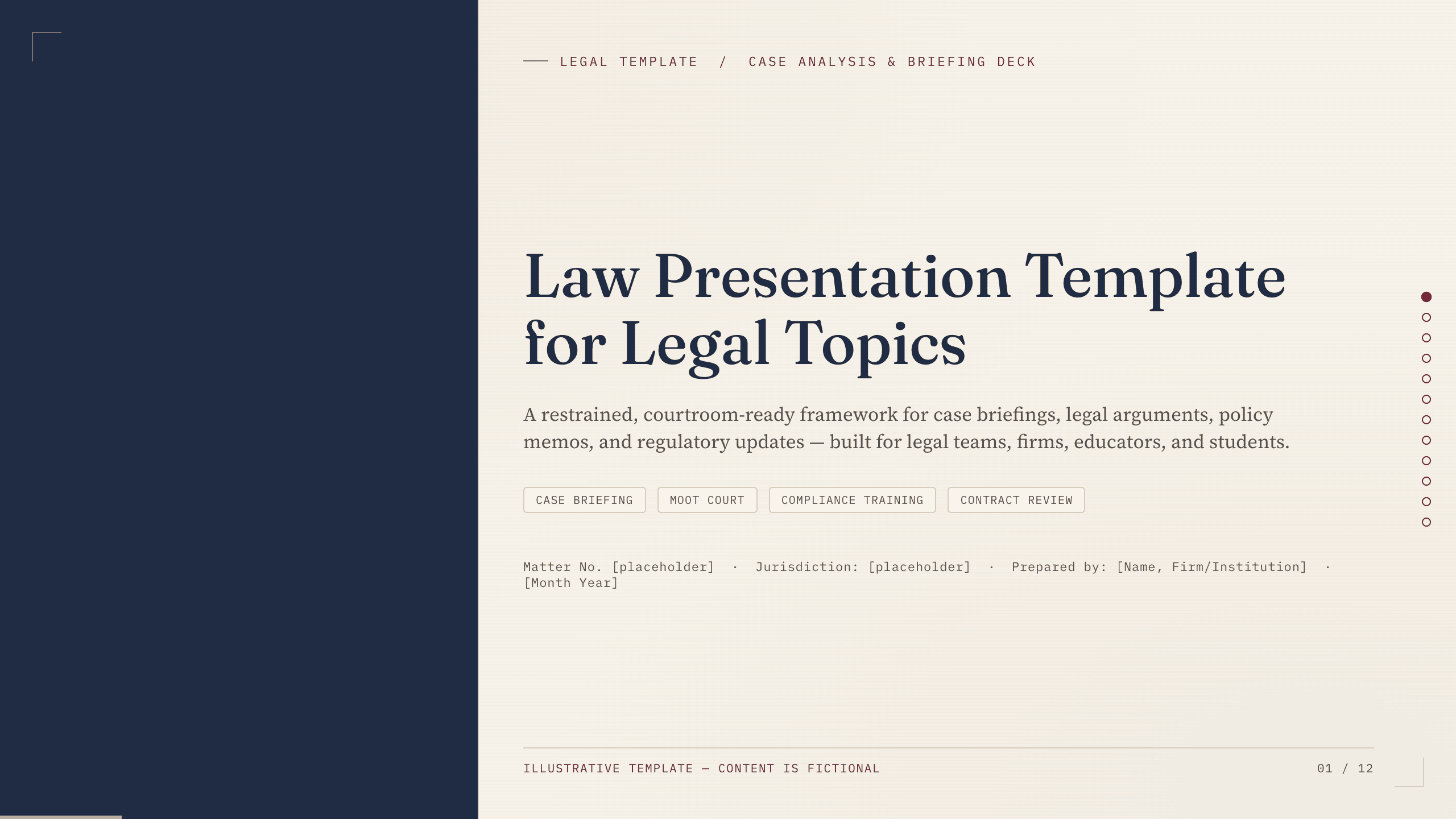
Law Presentation Template
Prepare a 12-slide legal presentation for case briefings, arguments, policy analysis, or regulatory updates with issues, authority, evidence, risk, and action.
View template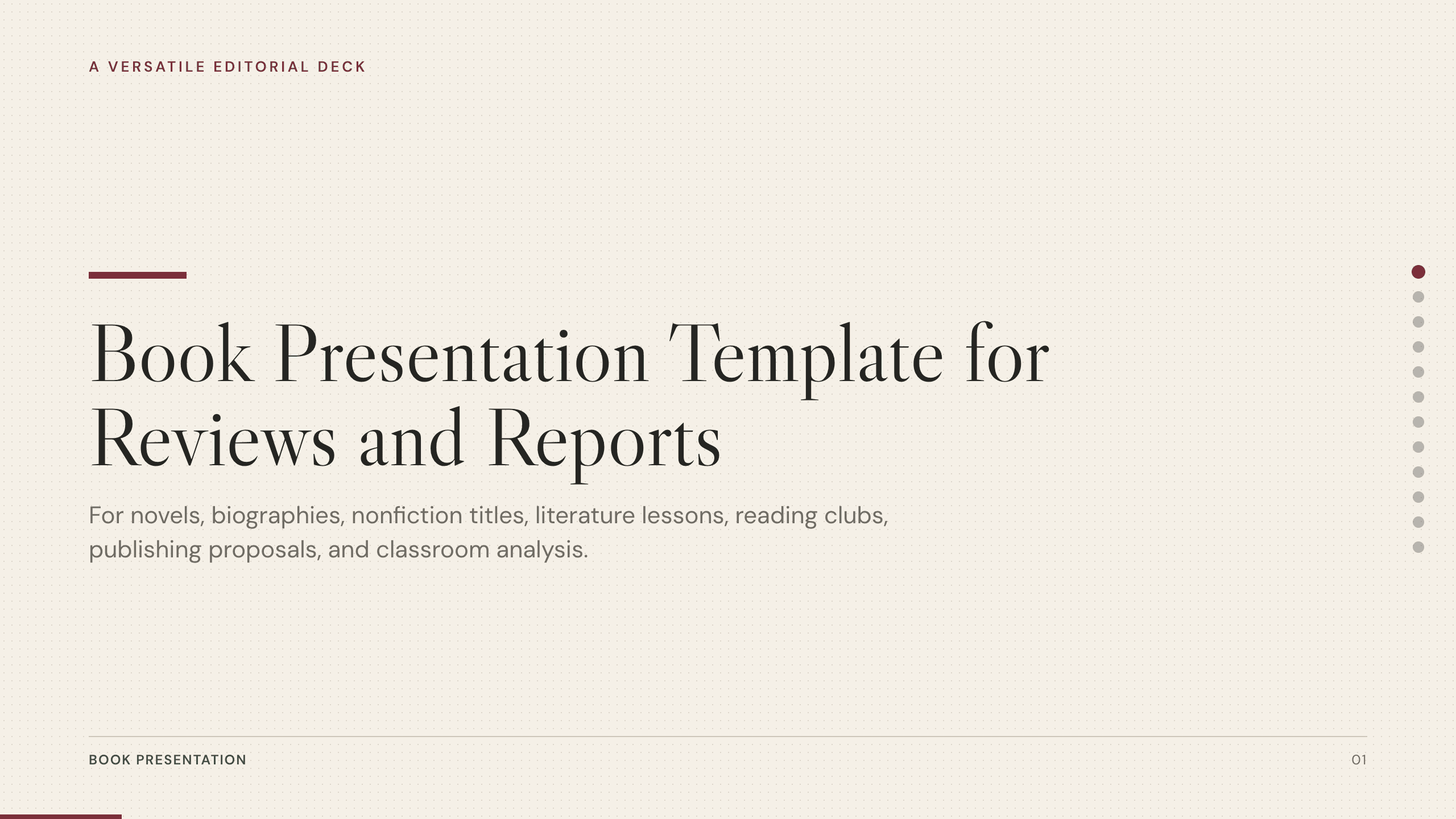
Book Presentation Template
Present a book review or report with 10 slides covering context, plot or argument, characters, themes, craft, evidence, interpretation, and recommendation.
View template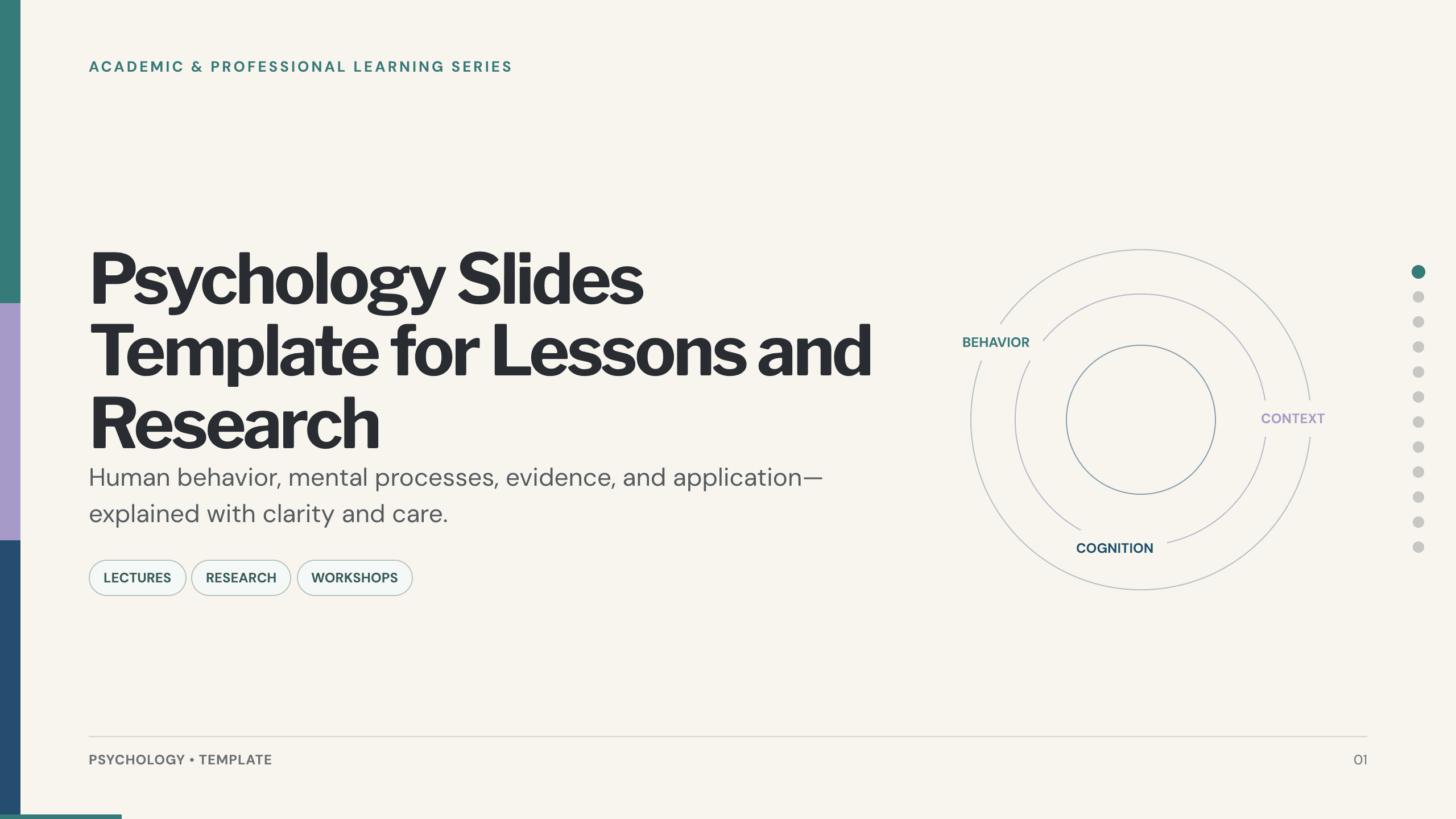
Psychology Slides Template
Explain human behavior with 12 psychology slides covering perspectives, cognition, emotion, motivation, development, evidence, ethics, and application.
View template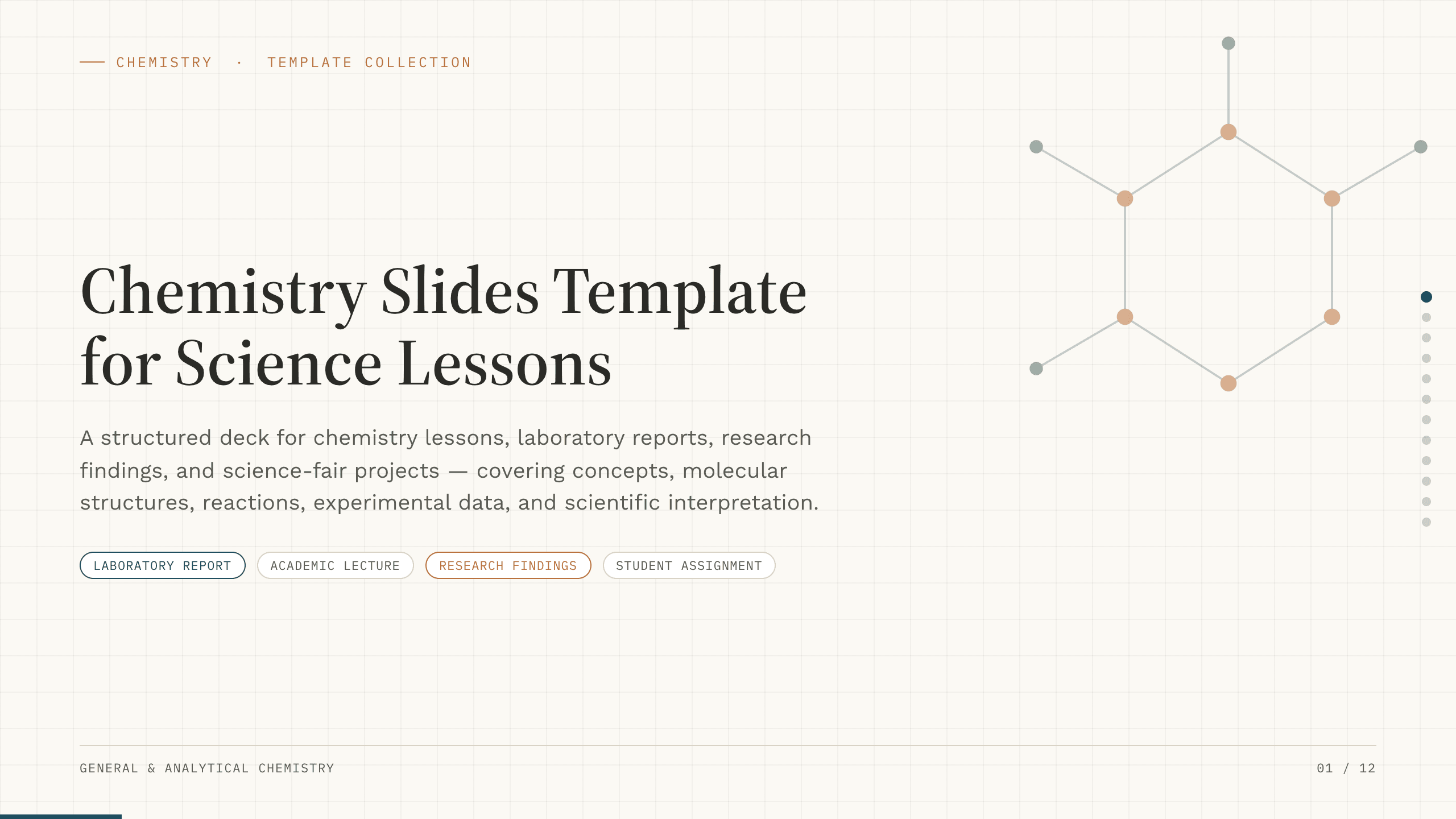
Chemistry Slides Template
Teach or report chemistry with 12 slides for objectives, molecular concepts, equations, reactions, methods, safety, data, findings, and sources.
View template
Space Slides Template
Explain astronomy with 12 space slides covering scale, planetary systems, stars, observation, mission technology, human factors, and future questions.
View template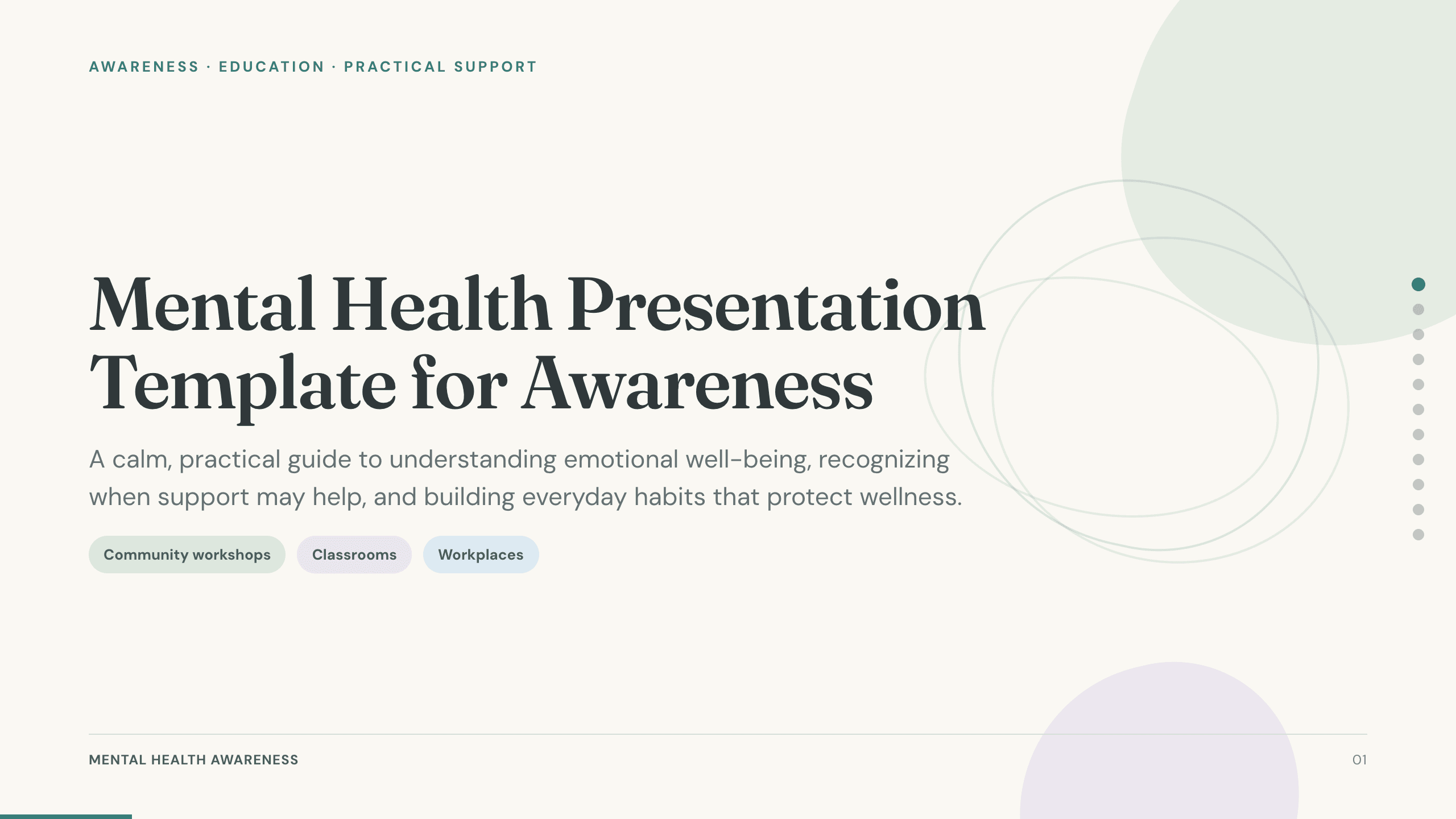
Mental Health Presentation Template
Create a 10-slide mental health presentation covering well-being, common signs, protective habits, support, crisis guidance, and a realistic personal plan.
View templateExplore other template hubs
Customize the Crime Slides Template with Julius AI
1
Preview the complete example
Inspect all 12 slides to understand the narrative, layouts, and level of detail before replacing the example content.
2
Add your content and direction
Give Julius AI your source material, evidence, audience, constraints, and desired outcome.
3
Review and export
Check the narrative, facts, and design, then export an editable version to PowerPoint or Google Slides for final delivery.